Paper
60 links publicados
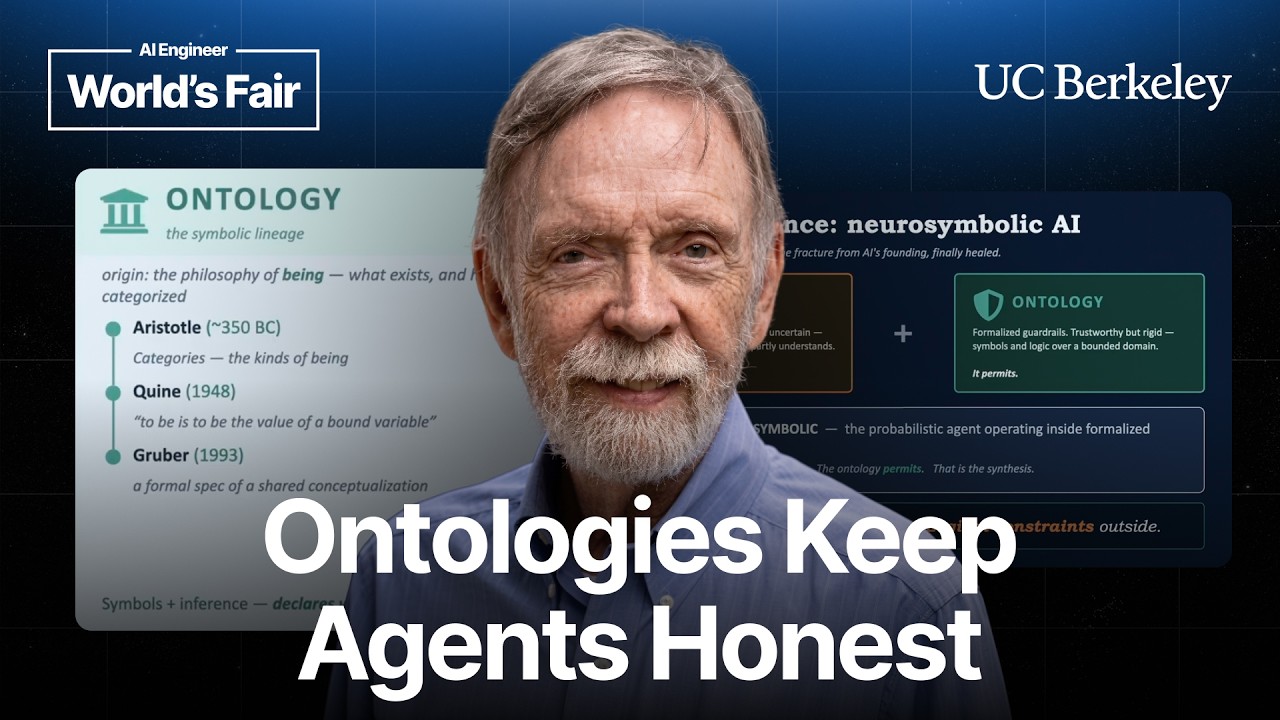
Por Que Sistemas Agênticos Precisam de Ontologias — Frank Coyle, UC Berkeley
Sistemas Inteligentes Precisam de Ontologias, diz Frank Coyle, da UC Berkeley.
LLMs não podem pular — Tom Zahavy
Um novo estudo sugere que a IA pode tornar os trabalhadores mais criativos, mas há um porém: apenas certos empregos
A new study suggests that AI may make workers more creative, but there’s a catch: Only certain employees are reaping the benefits.
The new data, in “How and For Whom Using Generative AI Affects Creativity: A Field Experiment,” was recently published in the Journal of Applied Psychology. For the study, the researchers conducted an experiment to find out exactly who is getting a creative boost from the technology and why.
Read more: https://bit.ly/4vUuOEf
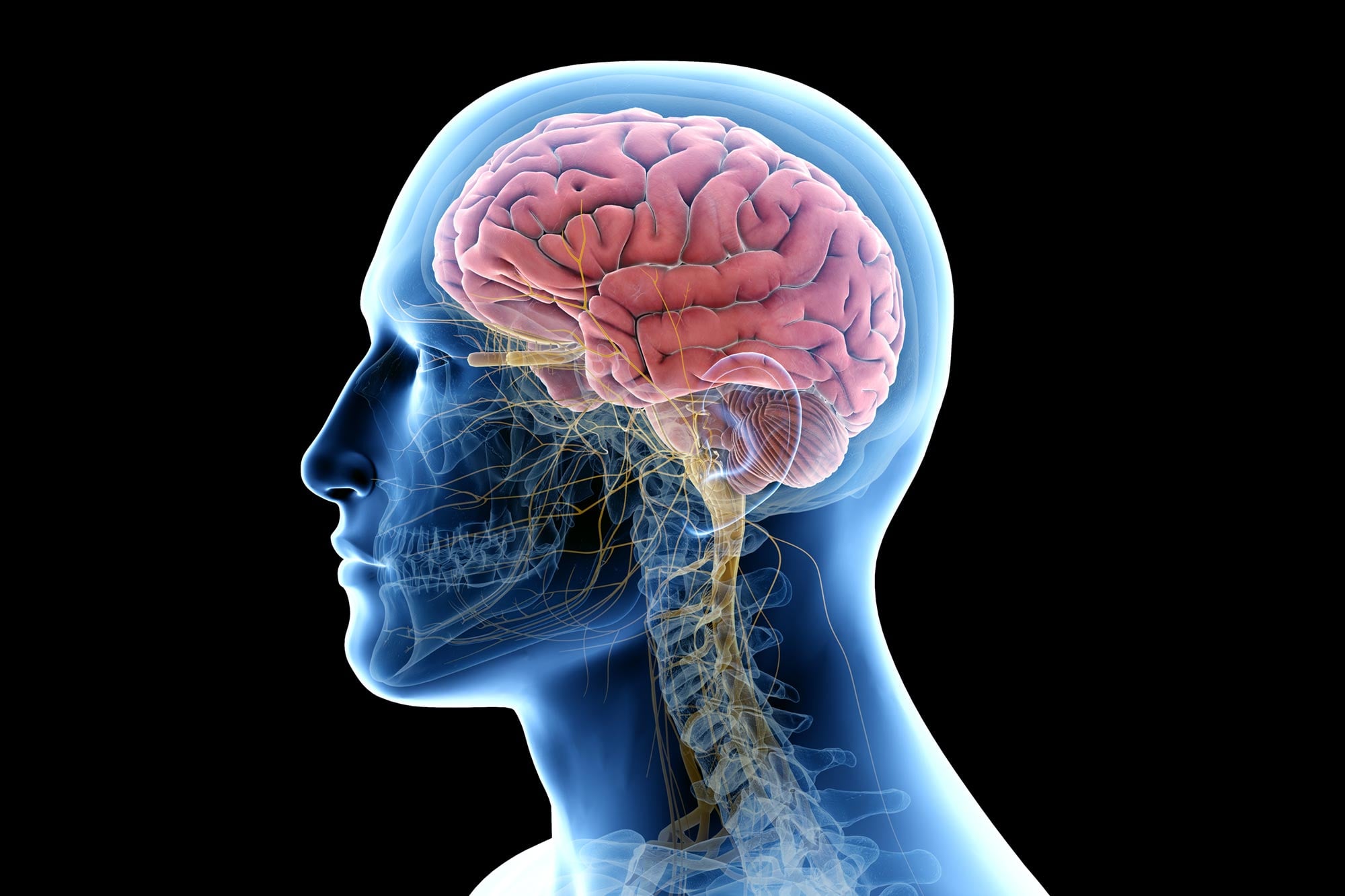
Cientistas Descobrem Semelhanças Surpreendentes Entre as Ideias de Freud e a Neurociência Moderna
Researchers suggest that old psychoanalytic ideas and modern brain science may be describing the same mental processes from different angles.

Dê espaço, AlphaFold: modelo de código aberto prevê forma de 1 bilhão de proteínas
The new open-source atlas, generated by an AI tool called ESMFold2, vastly increases the known protein universe.
Sistemas Multi-Agentes Recursivos

A Teoria das Cordas Descreve Realmente o Mundo? A IA Pode Ser Capaz de Dizer
Using machine learning, string theorists are finally showing how microscopic configurations of extra dimensions translate into sets of elementary particles—though not yet those of our universe.
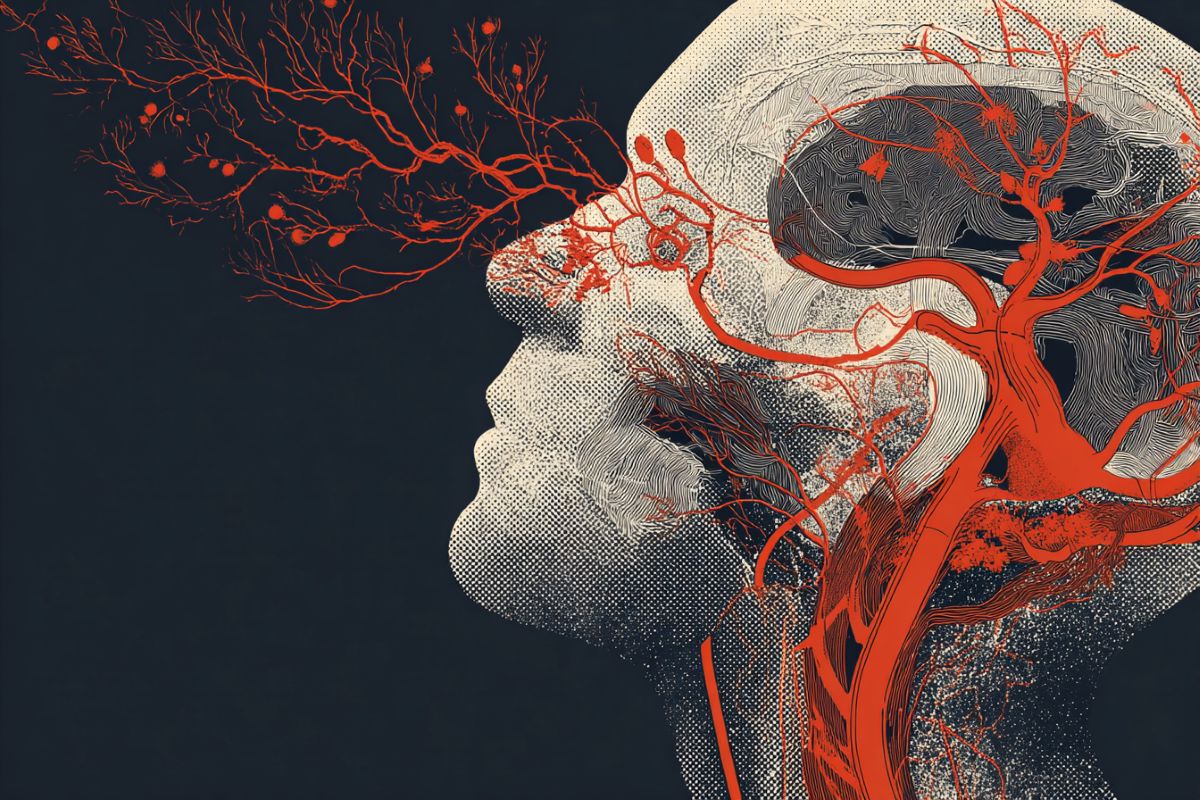
O Atalho Neural para a Língua - Notícias de Neurociência
Researchers use molecular barcoding to discover that Alston’s singing mice evolved complex vocalizations through targeted tripling of neural projections.
/https://i.s3.glbimg.com/v1/AUTH_fde5cd494fb04473a83fa5fd57ad4542/internal_photos/bs/2026/r/n/4uHHNNR6KcjeGWezK8nQ/pexels-nuhyil-ahammed-282191113-13022488.jpg)
Estudo estima que estamos falando 338 palavras a menos por dia
Pesquisadores afirmam que a redução foi mais acentuada entre jovens com menos de 25 anos, possivelmente ligada ao uso de tecnologia
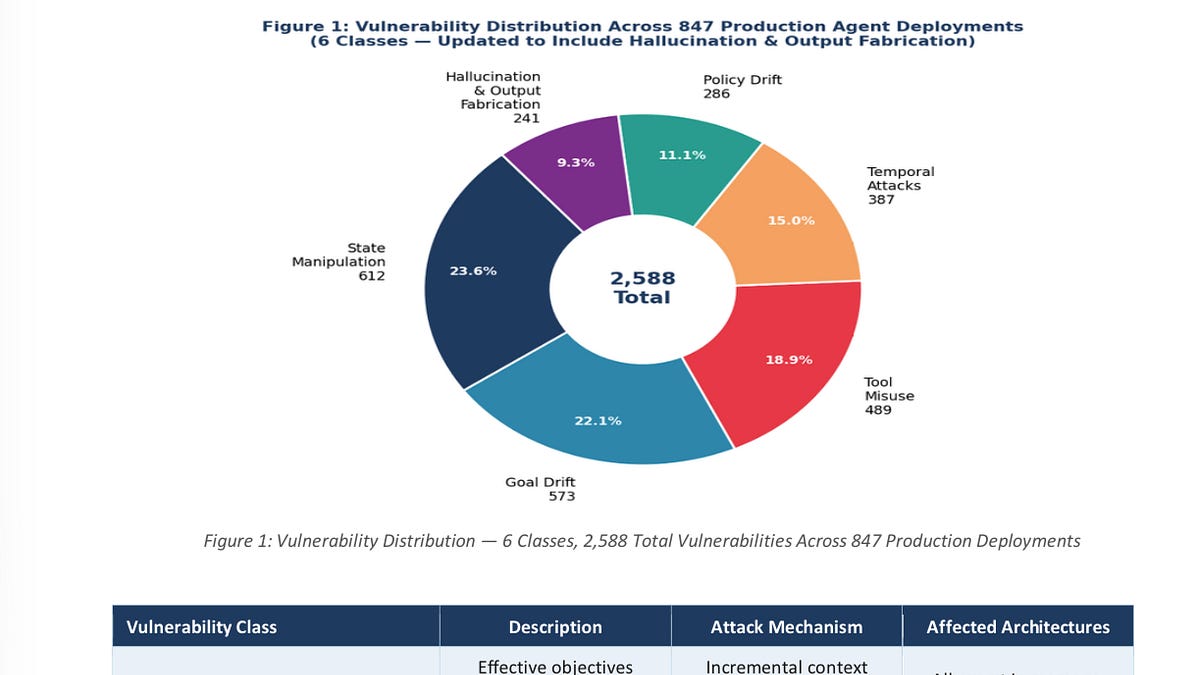
Quebrando: Agentes Autônomos são um Caos
Sorry to use a technical term in the title
/https://i.s3.glbimg.com/v1/AUTH_fde5cd494fb04473a83fa5fd57ad4542/internal_photos/bs/2026/H/D/rhUqx4SuqjUaHps7ITGA/low-res-3d-mind-1600x900.jpg)
Cientistas conseguem integrar sistema eletrônico com células vivas do cérebro
Rede de biocomputação poderá ser aplicada no tratamento de doenças neurológicas e servir como base para baixar os custos energéticos da inteligência artificial
Inteligência artificial adversária revela mecanismos e tratamentos para distúrbios da consciência | Nature Neuroscience
*Adversarial AI reveals mechanisms and treatments for disorders of consciousness.*
Paper publicado em 24.04.2026: https://www.nature.com/articles/s41593-026-02220-4.epdf
@92453549953121 acho que pode interessar. Fiz o infográfico e o resumo com ChatGPT, mas sem entregar o pdf que não consegui ainda.
🧠 IA adversarial ajuda a revelar mecanismos dos transtornos da consciência
Um estudo publicado na Nature Neuroscience em 2026 apresentou uma abordagem inovadora para investigar transtornos da consc
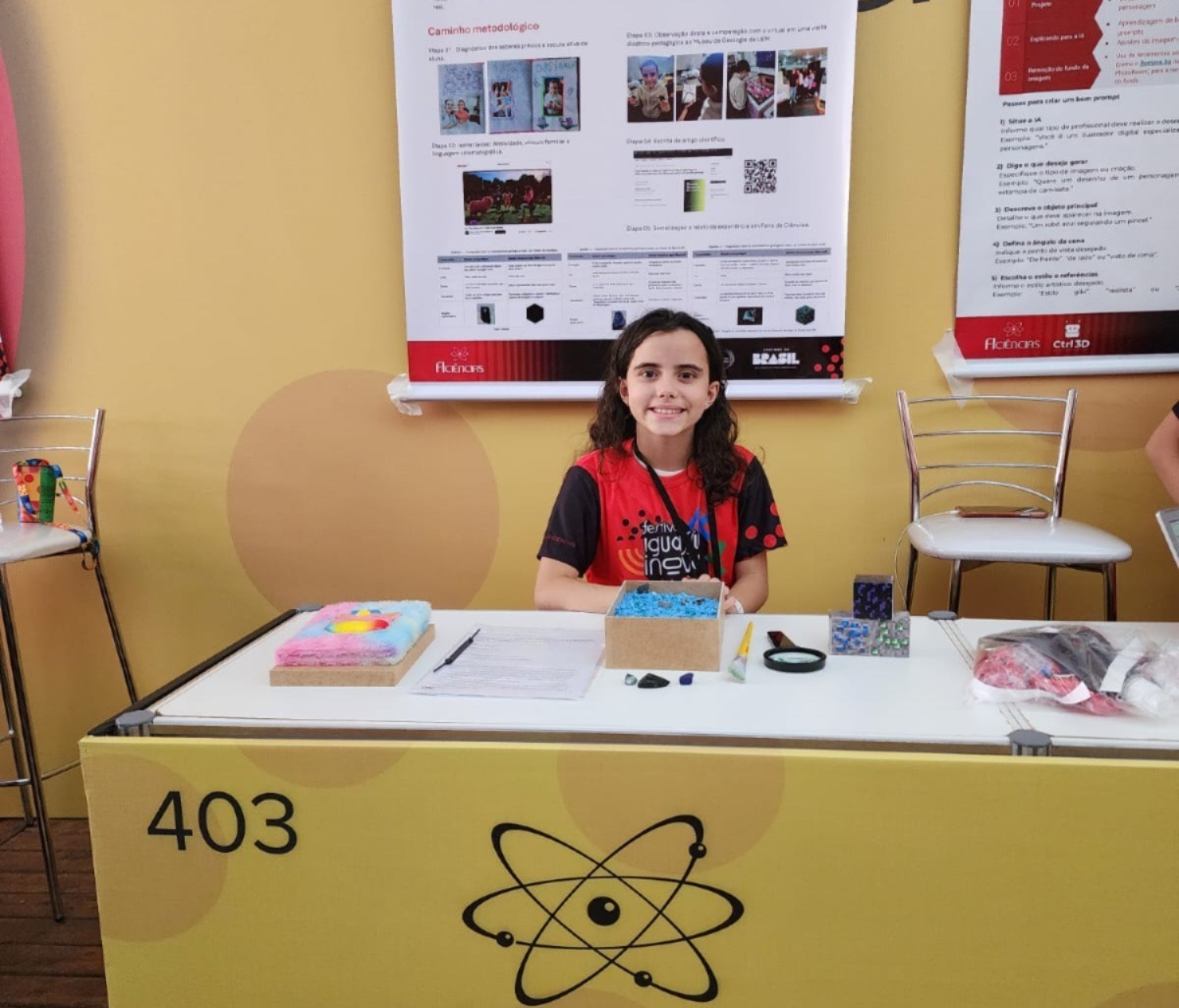
De Minecraft à ciência: maringaense de 10 anos se torna a mais jovem brasileira a publicar um artigo científico
Apaixonada por leitura e fã de Minecraft, ela transformou o interesse pelas pedras e minerais do jogo em uma pesquisa de verdade
Lyra 2.0: Mundos Gerativos 3D Exploráveis
Lyra 2.0: Explorable Generative 3D Worlds â camera-controlled walkthrough videos lifted to 3D via feed-forward reconstruction. We address spatial forgetting and temporal drifting for long-horizon, 3D-consistent generation.
Standford AI Index Report 2026 - AI, the technology that's advancing faster than we can understand.
With massive adoption, billion-dollar economic impact, and poorly understood risks, Artificial Intelligence heralds a new era of asymmetry between technical capability and human control.
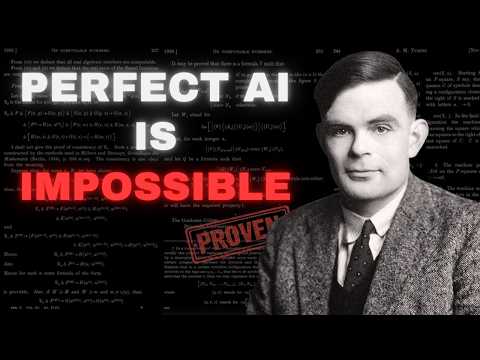
Why AI Can Never Escape Turing's 1936 Proof
Inteligência Artificial está presa pela prova de Turing de 1936.

Emoções Funcionais em Modelos de Linguagem: Representação Sem Consciência
Modelos de linguagem não sentem — mas organizam o comportamento como se sentissem. Essa afirmação não é metafórica.

Um chip inspirado no cérebro pode tornar algumas tarefas de IA até 2.000 vezes mais eficientes em termos de energia
Um novo tipo de chip de computador que utiliza a física dos materiais para processar informações pode tornar alguns sistemas de inteligência artificial (IA) muito mais eficientes em termos de…

Aplicando Algoritmos de Criptografia Pós-Quântica a uma Infraestrutura de CBDC Baseada em DLT: Análise Comparativa e de Viabilidade
This article presents an innovative project for a Central Bank Digital Currency (CBDC) infrastructure. Focusing on security and reliability, the proposed architecture: (1) employs post-quantum cryptography (PQC) algorithms for long-term security, even against attackers with access to cryptographically-relevant quantum computers; (2) can be integrated with a Trusted Execution Environment (TEE) to safeguard the confidentiality of transaction contents as they are processed by third-parties; and (3) uses Distributed Ledger Technology (DLT) to promote a high level of transparency and tamper resistance for all transactions registered in the system. Besides providing a theoretical discussion on the benefits of this architecture, we experimentally evaluate its components. Namely, as PQC algorithms, we consider three signature schemes being standardized by the National Institute of Standards and Technology (NIST), CRYSTALS-Dilithium, Falcon, and SPHINCS+. Those algorithms are integrated into the Hyperledger Besu (DLT) and executed both inside and outside an Intel SGX TEE environment. According to our results, CRYSTALS-Dilithium-2 combined with classical secp256k1 signatures leads to the shortest execution times when signing blocks in the DLT, reaching 1.68ms without the TEE, and 2.09ms with TEE. The same combination also displays the best results for signature verifications, achieving 0.5ms without a TEE and 1.98ms with a TEE. We also describe the main aspects of the evaluation methodology and the next steps in validating the proposed infrastructure. The conclusions drawn from our experiments is that the combination of PQC and TEE promises highly secure and effective DLT-based CBDC scenarios, ready to face the challenges of the digital financial future and potential quantum threats.
A expected emergência de computadores quânticos relevantes criptograficamente (CRQCs) representará uma sing
The expected emergence of cryptographically relevant quantum computers (CRQCs) will represent a singular discontinuity in the history of digital security, with wide ranging impacts.
This whitepaper seeks to elucidate specific implications that the capabilities of developing quantum architectures have
on blockchain vulnerabilities and potential mitigation strategies.
First, we provide new resource estimates for breaking the 256-bit Elliptic Curve Discrete Logarithm Problem over the secp256k1
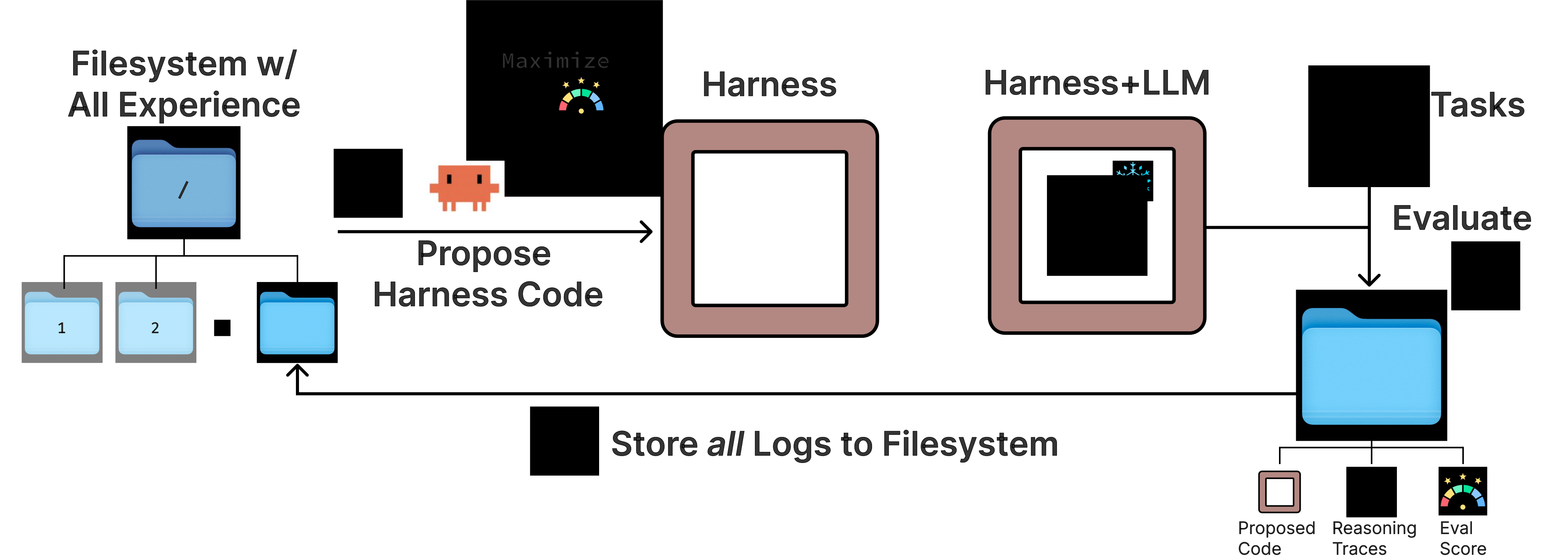
Meta-Harness: Otimização de Ponta a Ponta de Arnês de Modelos
Meta-Harness automatically optimizes model harnesses — the code determining what to store, retrieve, and present to an LLM — surpassing hand-designed systems on text classification, math reasoning, and agentic coding.

Stanford study outlines dangers of asking AI chatbots for personal advice
While there’s been plenty of debate about AI sycophancy, a new study by Stanford computer scientists attempts to measure how harmful that tendency might be.

Entenda o que é a Mosca Digital
Mosca Digital, o fenômeno que expõe a desinformação online e ensina a reconhecer táticas e impactos, fortalecendo a leitura crítica.

Mercado de deepfakes sexuais cresce no Civitai - MIT Technology Review
Pesquisa revela como o Civitai, permite a compra e venda de ferramentas de IA usada para criar deepfakes sexuais de mulheres reais.

Supervisão de IAs no trabalho causa "fritura cerebral", revela estudo | CNN Brasil
Pesquisa do Boston Consulting Group identifica fadiga mental em trabalhadores que supervisionam múltiplos agentes de Inteligência Artificial

ENTENDA COMO CIENTISTAS CRIARAM A PRIMEIRA MOSCA VIRTUAL VIVA
Por Brasil Paralelo
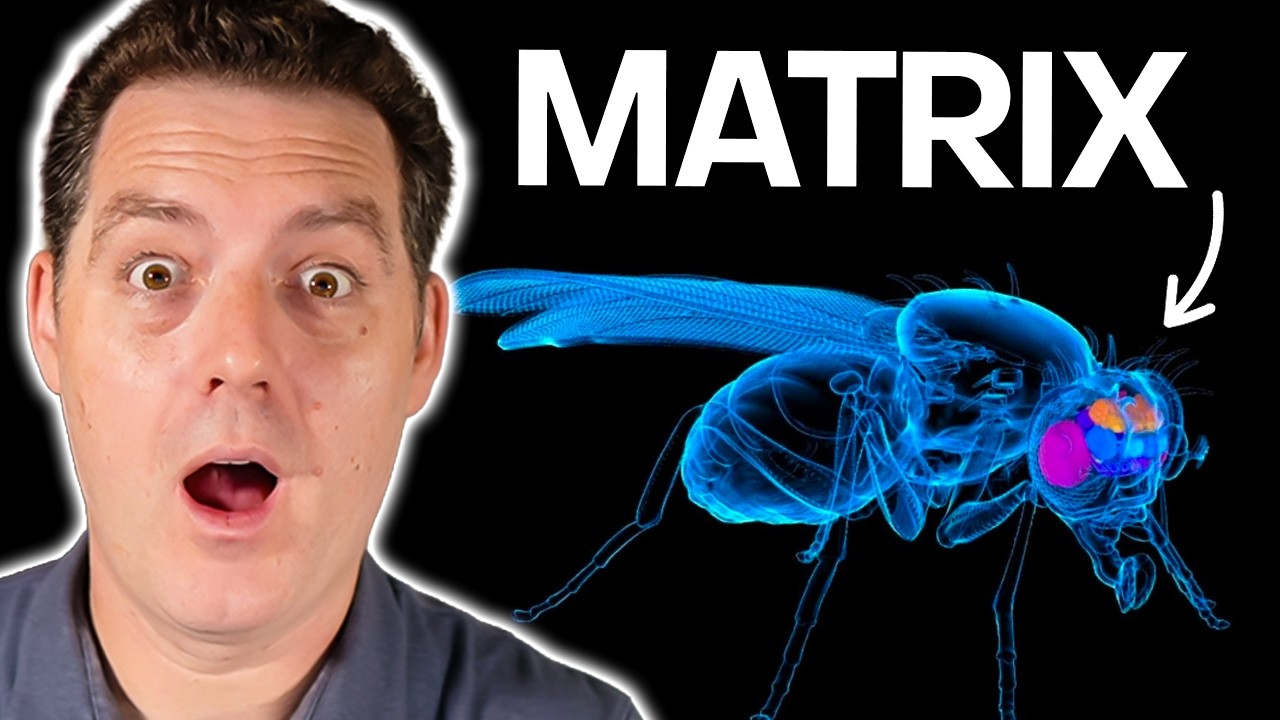
Esta mosca está VIVA na Matrix...
Por Matthew Berman
Edição de Física: Novo Modelo de Editor de Imagens é Insano Melhor do que NANO BANANA
Por WHA Coder
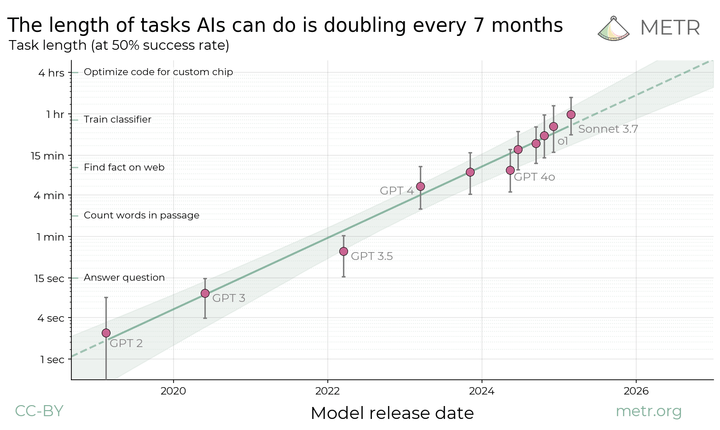
Medindo a Capacidade da IA de Realizar Tarefas Longas
https://metr.org/blog/2025-03-19-measuring-ai-ability-to-complete-long-tasks/

Guide Labs lança um novo tipo de LLM interpretável
The company open sourced an 8-billion-parameter LLM, Steerling-8B, trained with a new architecture designed to make its actions easily interpretable.

Não é nos EUA nem na Europa: grupo de pesquisadores brasileiros desenvolve moléculas que matam células de câncer cerebral
Pesquisadores da USP criam novas moléculas capazes de eliminar células de tumores cerebrais
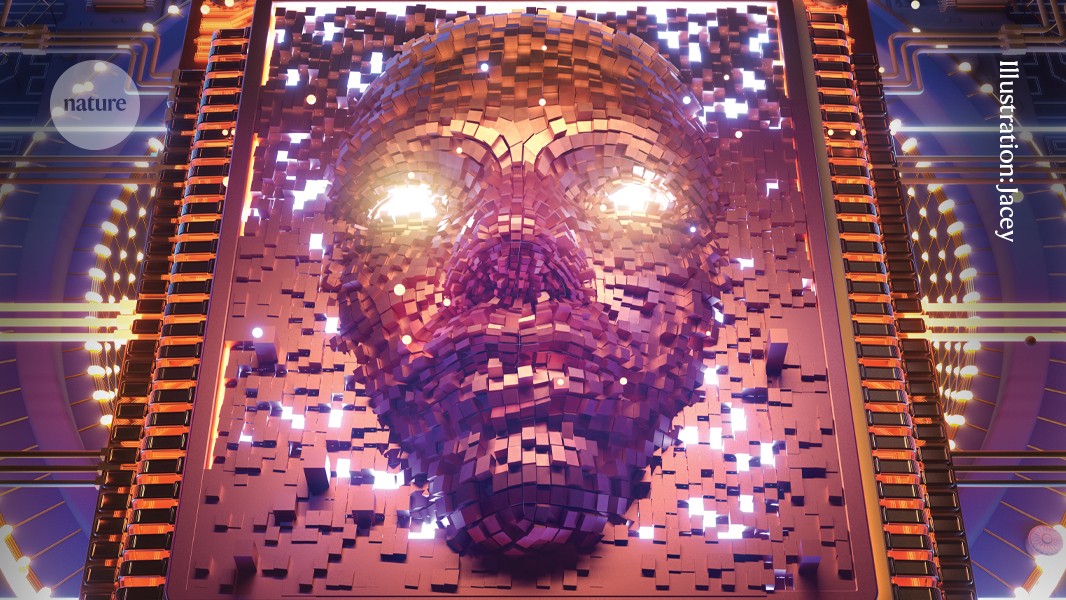
A IA já possui inteligência em nível humano? As evidências são claras.
The vision of human-level machine intelligence laid out by Alan Turing in the 1950s is now a reality. Eyes unclouded by dread or hype will help us to prepare for what comes next.

Percepções negativas sobre a terceirização para a inteligência artificial
As artificial intelligence (AI) tools become increasingly integrated into daily life, people are beginning to outsource not only professional tasks bu…

O que mais podemos esperar do mundo quando até mesmo uma revista séria com a Nature publica uma matéria alvissareira como esta?
Aproximação probabilística não resulta em AGI (Artificial General… | Cassio Pantaleoni
O que mais podemos esperar do mundo quando até mesmo uma revista séria com a Nature publica uma matéria alvissareira como esta?
Aproximação probabilística não resulta em AGI (Artificial General…

Alucinações com IA: delírios distribuídos e psicose induzida por sistemas inteligentes
Quando uma IA generativa apresenta informações incorretas, costuma-se dizer que ela está “alucinando” — isto é, produzindo conteúdos falsos que podem ser tomados como verdade. No entanto, um estudo…

IA chinesa Qwen3 é treinada para 'ser positiva' e evitar críticas em respostas sobre o país, aponta pesquisa
Pesquisadores de mídia descobriram que a Qwen3, IA chinesa em ascensão, recebe treinamento específico para dar respostas positivas sobre temas delicados
Foto de Rodrigo Palhano

Permissionless does not mean decentralized. | Hanna Halaburda
Permissionless does not mean decentralized.
In DeFi, open and transparent transaction execution doesn’t prevent concentration — it creates it.
When transaction ordering affects payoffs, execution…

MIT Desmascara Moltbook: "Posts Feitos por Humanos"
Em artigo divulgado nesta sexta-feira, 6, especialistas da área afirmam que os agentes de IA não são tão independentes quanto parecem
Esse paper tá massa:
“O artigo apresenta o Pinterest GEO, um framework em escala industrial que pr
https://arxiv.org/pdf/2602.02961
Esse paper tá massa:
“O artigo apresenta o Pinterest GEO, um framework em escala industrial que propõe a transição de SEO para Generative Engine Optimization (GEO) diante da ascensão de mecanismos de busca baseados em LLMs, nos quais respostas são sintetizadas e fontes são selecionadas por autoridade semântica; para resolver o problema da baixa visibilidade de conteúdo visual nesse novo paradigma, os autores combinam Vision-Language Models treinados para gerar

Os primeiros sinais de burnout vêm das pessoas que mais abraçam a IA.
Because employees could do more, work began bleeding into lunch breaks and late evenings. The employees' to-do lists expanded to fill every hour that AI freed up, and then kept going.

ARC-AGI-3 Preview
The first interactive reasoning benchmark for AI agents.

Vibe Coding Is Killing Open Source Software, Researchers Argue
‘If the maintainers of small projects give up, who will produce the next Linux?’

FRAMEWORK IAR: EQUILIBRANDO INOVAÇÃO E CONTROLE DE RISCOS NA ERA DA INTELIGÊNCIA ARTIFICIAL
O recente incidente de segurança envolvendo o agente autônomo "Clawbot" expôs vulnerabilidades críticas na adoção acelerada de tecnologias sem controles adequados de risco. Este artigo propõe o…
Nova pesquisa da DeepSeek - O futuro chegou!
Por Two Minute Papers
Why AI Will Hit a Wall (MIT Proved It)
Por Parthknowsai

[2601.10825] Reasoning Models Generate Societies of Thought
Large language models have achieved remarkable capabilities across domains, yet mechanisms underlying sophisticated reasoning remain elusive. Recent reasoning models outperform comparable instruction-tuned models on complex cognitive tasks, attributed to extended computation through longer chains of thought. Here we show that enhanced reasoning emerges not from extended computation alone, but from simulating multi-agent-like interactions -- a society of thought -- which enables diversification and debate among internal cognitive perspectives characterized by distinct personality traits and domain expertise. Through quantitative analysis and mechanistic interpretability methods applied to reasoning traces, we find that reasoning models like DeepSeek-R1 and QwQ-32B exhibit much greater perspective diversity than instruction-tuned models, activating broader conflict between heterogeneous personality- and expertise-related features during reasoning. This multi-agent structure manifests in conversational behaviors, including question-answering, perspective shifts, and the reconciliation of conflicting views, and in socio-emotional roles that characterize sharp back-and-forth conversations, together accounting for the accuracy advantage in reasoning tasks. Controlled reinforcement learning experiments reveal that base models increase conversational behaviors when rewarded solely for reasoning accuracy, and fine-tuning models with conversational scaffolding accelerates reasoning improvement over base models. These findings indicate that the social organization of thought enables effective exploration of solution spaces. We suggest that reasoning models establish a computational parallel to collective intelligence in human groups, where diversity enables superior problem-solving when systematically structured, which suggests new opportunities for agent organization to harness the wisdom of crowds.
LLM-in-Sandbox Elicits General Agentic Intelligence
We introduce LLM-in-Sandbox, enabling LLMs to explore within a code sandbox (i.e., a virtual computer), to elicit general intelligence in non-code domains. We first demonstrate that strong LLMs, without additional training, exhibit generalization capabilities to leverage the code sandbox for non-code tasks. For example, LLMs spontaneously access external resources to acquire new knowledge, leverage the file system to handle long contexts, and execute scripts to satisfy formatting requirements. We further show that these agentic capabilities can be enhanced through LLM-in-Sandbox Reinforcement Learning (LLM-in-Sandbox-RL), which uses only non-agentic data to train models for sandbox exploration. Experiments demonstrate that LLM-in-Sandbox, in both training-free and post-trained settings, achieves robust generalization spanning mathematics, physics, chemistry, biomedicine, long-context understanding, and instruction following. Finally, we analyze LLM-in-Sandbox's efficiency from computational and system perspectives, and open-source it as a Python package to facilitate real-world deployment.
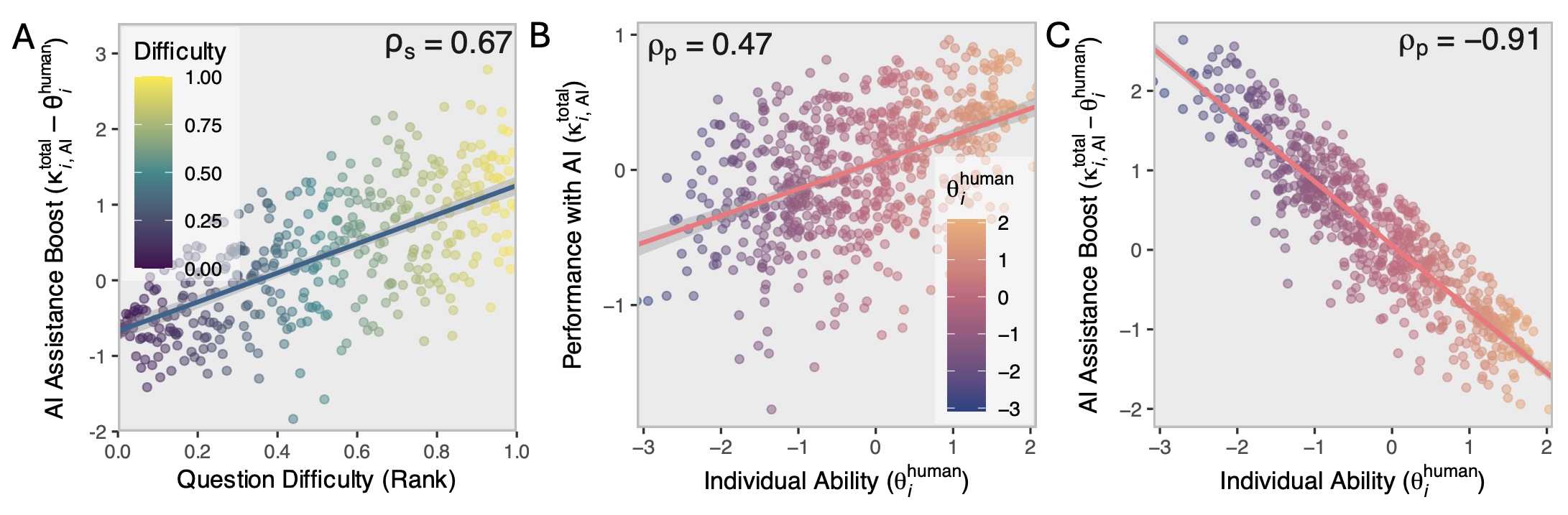
Quantifying Human-AI Synergy
PsyArXiv
Yesye