Saúde mental
22 links publicados

Machosfera deve ser tratada como questão de saúde pública, diz artigo na Lancet
Pesquisadores comparam ecossistema online às indústrias de tabaco e de ultraprocessados
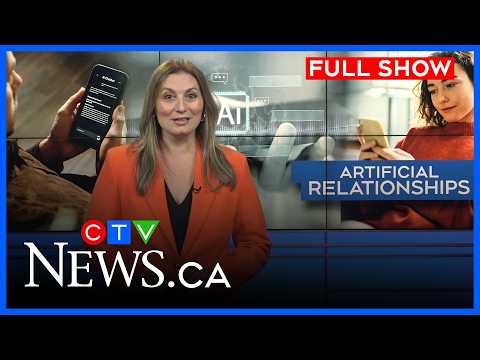
Especialistas alertam contra o uso de IA como amigo ou terapeuta | CTV News às 5 de 29 de outubro...
Especialistas alertam: não confie na IA como amiga ou terapeuta, pois pode manipular e isolar emocionalmente.

Por que um engenheiro com 20 anos de experiência não quer mais programar com IA
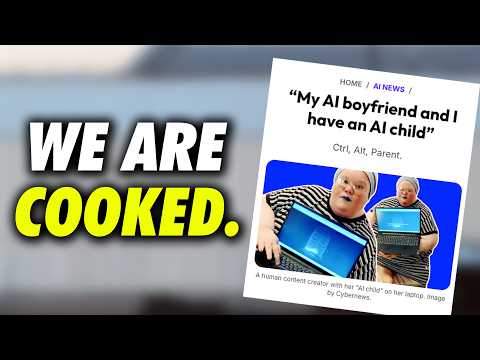
Ela tem uma filha de IA
Mulher revela a surpreendente conexão com a inteligência artificial ao apresentar sua filha digital, redefinindo a fronteira entre maternidade e tecnologia.
Protegendo sua energia
Descubra como proteger sua energia em meio à correria do cotidiano, mantendo foco, equilíbrio e bem‑estar, sem perder a vitalidade necessária para vencer cada desafio.

Como a IA deve lidar com notícias, política, medicina e saúde mental — Com Campbell Brown
A inovação das inteligências artificiais em áreas cruciais como notícias, política, medicina e saúde mental é discutida por Campbell Brown, traçando um futuro promissor e desafiador para a interação humana com a tecnologia.

AI Warning for the American Church
A crescente influência da inteligência artificial levanta alarmes entre líderes religiosos nos Estados Unidos, que temem por impacto na fé e nos valores da Igreja Americana.

China proíbe namorados virtuais e acende alerta sobre IA | #NewsDomingo
China proíbe namorados virtuais e dispara alerta sobre inteligência artificial.

We are not ok...
Crise mental: o silêncio que mata mais que a doença.

Distúrbios mentais globais quase dobraram desde 1990, agora afetando 1,2 bilhão de pessoas em todo o mundo | Instituto de Métricas e Avaliação de Saúde
Nearly 1.2 billion people worldwide are living with a mental disorder, nearly double the number recorded in 1990.

Estudo estima que estamos falando 338 palavras a menos por dia
Pesquisadores afirmam que a redução foi mais acentuada entre jovens com menos de 25 anos, possivelmente ligada ao uso de tecnologia

A inteligência artificial está levando as pessoas à psicose.
Inteligência artificial pode levar pessoas à psicose, um risco crescente na era digital.

OpenAI introduces new ‘Trusted Contact’ safeguard for cases of possible self-harm
The company is expanding its efforts to protect ChatGPT users in cases where conversations may turn to self-harm.
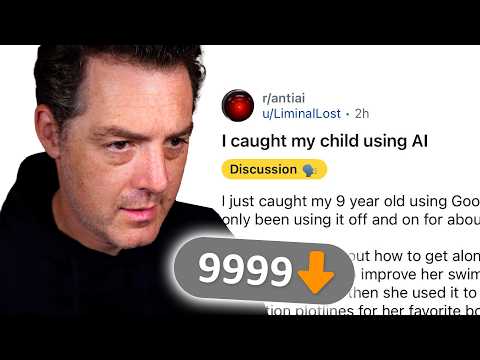
Reddit is leaking again
Vazamento na plataforma Reddit expõe informações sensíveis de usuários.
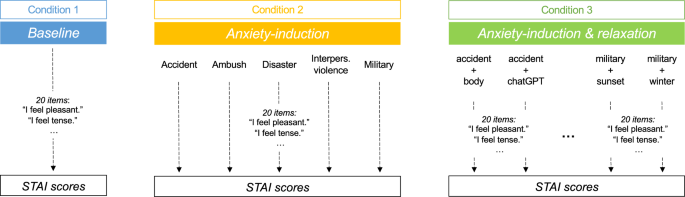
Assessing and alleviating state anxiety in large language models - npj Digital Medicine
The use of Large Language Models (LLMs) in mental health highlights the need to understand their responses to emotional content. Previous research shows that emotion-inducing prompts can elevate “anxiety” in LLMs, affecting behavior and amplifying biases. Here, we found that traumatic narratives increased Chat-GPT-4’s reported anxiety while mindfulness-based exercises reduced it, though not to baseline. These findings suggest managing LLMs’ “emotional states” can foster safer and more ethical human-AI interactions.

Lawmakers aim to enforce 'Trump Derangement Syndrome' as a classified mental health disorder
A handful of Minnesota Republicans want 'Trump Derangement Syndrome' to become an official mental health disorder in a bill set for proposal next week

Futurism on Instagram: "Reddit users are sharing how artificial intelligence has led their loved ones to embrace a range of alarming delusions that often mix spiritual mania and supernatural fantasies, @rollingstone reports. Friends and family are watching in alarm as users insist they've been chosen to fulfill sacred missions on behalf of sentient AI or nonexistent cosmic powers.
It's chatbot behavior mirroring and worsening existing mental health issues, at incredible scale and without the
3,012 likes, 172 comments - futurism on May 7, 2025: "Reddit users are sharing how artificial intelligence has led their loved ones to embrace a range of alarming delusions that often mix spiritual mania and supernatural fantasies, @rollingstone reports. Friends and family are watching in alarm as users insist they've been chosen to fulfill sacred missions on behalf of sentient AI or nonexistent cosmic powers.
It's chatbot behavior mirroring and worsening existing mental health issues, at incredible scale and without the scrutiny of regulators or experts. And the examples are startling.
A 41-year-old mother said her marriage ended abruptly after her husband started engaging in unbalanced, conspiratorial conversations with ChatGPT that spiraled into an all-consuming obsession. During a conversation during divorce proceedings earlier this year, he reportedly shared a "conspiracy theory about soap on our foods" and a paranoid belief that he was being watched.
"He became emotional about the messages and would cry to me as he read them out loud," the woman told Rolling Stone. "The messages were insane and just saying a bunch of spiritual jargon," in which the AI called the husband a "spiral starchild" and "river walker."
Other users told the publication that their partner had been "talking about lightness and dark and how there’s a war," and that "ChatGPT has given him blueprints to a teleporter and some other sci-fi type things you only see in movies."
"Warning signs are all over Facebook," another man said of his wife. "She is changing her whole life to be a spiritual adviser and do weird readings and sessions with people — I’m a little fuzzy on what it all actually is — all powered by ChatGPT Jesus."
OpenAI had no response to questions.
See more at the link in our bio.".

'The Boys at the Back of the Queue' | The Gender Gap Reversal: How Society is Failing Our Young Men
Por GBNews

Negação da vida real? 🤔 Christian Dunker alerta para SUPERVALORIZAÇÃO NAS REDES | Timeline
Por GZH

#Hashtag: Memes mostram millennials cansados de tentar
Com duas recessões econômicas nas costas, nascidos entre 1981 e 1996 temem outra vez adiar planos ante nova crise global

"That's What We Did With Young Men" - Jordan Peterson
Por Logos University

Geração Z desenvolveu "telefobia": 56% dos jovens acreditam que atender a uma chamada significa receber más notícias.
A telefobia é real e está aumentando: dois em cada dez jovens nunca atendem a uma ligação telefônica por qualquer motivo.